
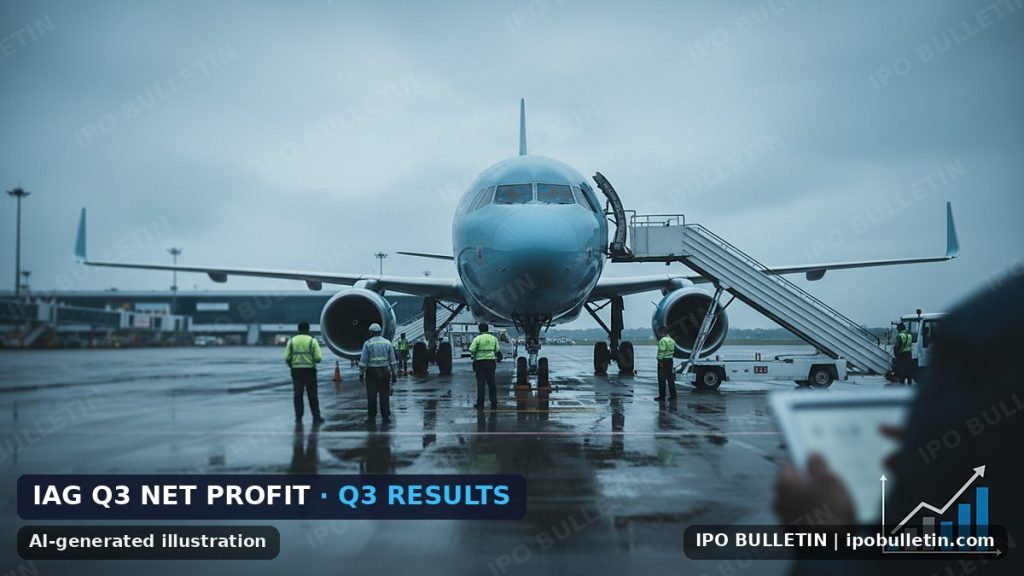
MUMBAI / NEW DELHI, NOVEMBER 06, 2026 — During trading on Friday, November 06, 2026, International Airlines Group (IAG), the parent company of British Airways and Iberia, reported a decline of more than 12 percent in its third-quarter net profit as surging aviation turbine fuel expenses, aircraft engine bottlenecks, and Middle Eastern geopolitical disruptions pressured passenger capacity.
Key Takeaways at a Glance
- Earnings Print: Third-quarter net profit contracted by over 12% year-on-year for British Airways and Iberia parent IAG.
- Cost & Capacity Bottlenecks: Soaring jet fuel expenditures and engine availability issues curtailed operating fleet efficiency.
- Operational Headwinds: Regional airspace disruptions across the Middle East triggered flight cancellations and European air traffic control delays.
IAG Q3 Financial Print & Operational Milestone Schedule
The quarterly performance update outlines operational challenges across major international routes during the peak late-summer and early-autumn travel window. Exchange disclosures confirm the following timeline and reporting benchmarks:
| Event / triggers Milestone | Confirmed Calendar Date |
|---|---|
| Q2 Earnings Print & Operational Update | November 06, 2026 |
| European Air Traffic & Route Capacity Audit | November 06, 2026 |
Key Performance Metrics & Operational Drag Factors
Operating metrics released on November 06, 2026, highlight the vulnerability of legacy flag carriers to fuel price volatility and supply chain friction within the aerospace supply base.
| Financial & Operational Parameter | Reported Metric / Impact |
|---|---|
| Q3 Net Profit Movement (Year-on-Year) | -12.00% |
| Primary Variable Cost Driver | Aviation Turbine Fuel |
| Operational Bottleneck Driver | Aircraft Engine Availability |
| Key Affected Corridors | Middle East Transits |
Aviation Cost Pressures and Airspace Bottlenecks
According to corporate filings reviewed through London Stock Exchange regulatory filings, the double-digit profit contraction at IAG stems directly from an adverse operating environment. Fuel costs represent an airline’s largest variable operating expense—often accounting for 25% to 35% of total outlays. Higher crude refining margins and elevated spot prices during the quarter widened fuel expenses faster than unit passenger revenue yields could offset.
Geopolitical unrest across the Middle East triggered widespread airspace rerouting and route suspensions. For European long-haul operators like British Airways, bypassing sensitive flight corridors requires carrying additional reserve fuel, flying extended nautical miles, and trimming available payload capacities. Concurrently, European air traffic control bottlenecks compounded turnaround delays across primary hub airports, limiting operational aircraft utilization rates.
Fleet Constraints and Engine Turnaround Delays
IAG explicitly cited aircraft availability constraints stemming from engine turnaround cycle times. Commercial airlines across the globe face protracted inspection cycles and supply chain shortages for modern turbofan powerplants. When aircraft are parked awaiting maintenance parts, airlines absorb capital depreciation and lease rental costs without generating passenger revenue, depressing return on equity metrics.
For investors tracking aviation benchmarks across global bourses, the IAG earnings print underscores how quickly input cost inflation erodes operational leverage. Broader market trends tracked via our Indian market indices dashboard and equity research desks show aviation peers adjusting forward capacity guidance to match engine maintenance constraints.
Aviation Equities: triggers and Downside Risk Matrix
Evaluating capital allocation in network legacy airlines requires balancing long-haul international travel demand against sharp operational headwinds:
- Revenue & Travel Demand triggers: Robust business-class cabin bookings, corporate transatlantic demand, and strong premium leisure yields sustain revenue per available seat kilometer (RASK).
- Balance Sheet Prudence: Consistent post-pandemic debt reduction programs across major carriers strengthen liquidity reserves against cyclical shocks.
- Jet Fuel Margin Volatility: Unhedged or partially hedged airline fuel portfolios face rapid margin erosion during crude supply disruptions.
- Airframe & Engine Bottlenecks: Protracted turnaround times at global aerospace maintenance, repair, and overhaul (MRO) facilities keep capacity growth artificially depressed.
What to Check Before Evaluating Aviation Equities
- Fuel Hedging Percentage: Examine the proportion of forward fuel requirements locked in via derivatives versus exposed to spot market volatility.
- Available Seat Kilometer (ASK) Trajectory: Verify whether capacity declines are caused by structural route cuts or temporary maintenance bottlenecks.
- Free Cash Flow & Debt Coverage: Evaluate lease obligations and net debt multiples relative to trailing operating cash flows.
- Primary Market Alternative Pipelines: Compare capital deployment in cyclical transport shares against upcoming offerings via the live IPO calendar and primary market schedule or historical listings on the recent IPO listing performance tracker.
Frequently Asked Questions
Why did British Airways parent IAG report a 12% profit drop?
IAG’s third-quarter net profit dropped over 12 percent due to escalating aviation fuel expenditures and reduced flight capacity. Operations were curtailed by aircraft availability issues linked to jet engine maintenance, air traffic control constraints, and flight cancellations across Middle Eastern corridors.
How do jet fuel price spikes impact international airline margins?
Aviation turbine fuel accounts for 25% to 35% of an airline’s total operating expenses. Sudden increases in spot fuel prices or refining cracks quickly compress operating profit margins unless carriers can pass on these costs through passenger fuel surcharges and elevated ticket pricing.
What engine issues are currently restricting global carrier flight schedules?
Commercial carriers are facing extended engine shop visit turnaround times caused by global supply chain delays and specialized parts shortages. These bottlenecks keep modern aircraft grounded for maintenance inspections, restricting capacity expansion despite steady passenger demand.
SEBI Compliance & Statutory Disclaimer
The information and analysis presented on IPO Bulletin (ipobulletin.com) are for informational and educational purposes only and do not constitute financial, investment, or legal advice. Securities market investments are subject to market risks; please read all offer documents (DRHP/RHP) thoroughly before committing capital. Grey Market Premium (GMP) figures are unofficial, unregulated street estimates. Always consult a SEBI-registered investment advisor before making financial decisions.
Sources referenced: The Economic Times, London Stock Exchange regulatory filings, Reuters.
Reusing this article or its images? Credit IPO Bulletin and link to https://ipobulletin.com/news/iag-q3-net-profit-drops/. Content licence.