

MUMBAI / NEW DELHI, OCTOBER 15, 2026 — During intraday trade on Thursday, shares of Reliance Industries, Jio Financial Services, Tata Technologies, HDB Financial Services, and Wipro are expected to remain in focus. This comes as the Nifty 50 declined, testing critical support levels amid persistent concerns over wholesale inflation and elevated crude oil prices, with upcoming quarterly earnings announcements driving investor sentiment.
MUMBAI / NEW DELHI, OCTOBER 18, 2026 — During trading on Sunday, Reliance’s digital services arm, Jio Platforms Limited, confirmed the filing of its final Red Herring Prospectus (RHP) with the Securities and Exchange Board of India (SEBI), setting the stage for its highly anticipated initial public offering (IPO). The Mainboard offer is scheduled to open for subscription on Wednesday, October 21, 2026, and will conclude on Friday, October 23, 2026. Anchor investors will have the opportunity to place their bids on Monday, October 19, 2026.
Key Takeaways at a Glance
- Issue & Valuation Snapshot: Jio Platforms’ IPO is anticipated to be around ₹33,200 Crore (approximately $4 billion), with bankers previously valuing the entity at $170 billion.
- Timeline & Lot Economics: The offer opens on October 21, 2026, and closes on October 23, 2026. Anchor investor bidding is scheduled for October 19, 2026. Price band and lot size details are pending RHP confirmation.
- Filing & Market Context: The final RHP filing with SEBI confirms the offer dates, marking a significant milestone for one of India’s largest digital services providers.
Jio Platforms IPO: Key Dates & Subscription Timeline
The timeline for the Jio Platforms IPO is crucial for investors planning their participation. The company’s journey to the public markets has been closely watched, with several key regulatory and market milestones leading up to this announcement.
| Event / triggers Milestone | Exact Calendar Date |
|---|---|
| DRHP Filing with SEBI | June 19, 2026 |
| Final RHP Filing with SEBI | October 14, 2026 |
| Anchor Investor Bidding | October 19, 2026 |
| Offer Opening Date | October 21, 2026 |
| Offer Closing Date | October 23, 2026 |
| Allotment Finalisation | Pending official announcement |
| Initiation of Refunds | Pending official announcement |
| Credit of Shares to Demat Account | Pending official announcement |
| Listing Date | Pending official announcement |
Jio Platforms IPO: Issue Details & Financial Metrics
Jio Platforms, a subsidiary of Reliance Industries, is poised to bring one of India’s largest IPOs to the market. The final Red Herring Prospectus (RHP) provides the definitive terms for the offer. While specific details regarding the price band, lot size, and retail/HNI investment thresholds are typically disclosed in the RHP, the initial reports indicate a substantial issue size.
| Parameter | Verified Detail |
|---|---|
| Total Issue Size | ~₹33,200 Crore (approx. $4 Billion) |
| Price Band | Pending RHP confirmation |
| Lot Size | Pending RHP confirmation |
| Face Value | Pending RHP confirmation |
| Listing Exchanges | BSE & NSE |
Jio Platforms IPO Grey Market Premium (GMP) Status
As of October 18, 2026, Grey Market Premium (GMP) data is pending initial price discovery across primary tracking platforms (Chittorgarh & IPOWatch) given that the price band for the Jio Platforms IPO is yet to be officially announced in the final RHP. The grey market typically begins to reflect investor sentiment and potential listing gains once the price band and other key issue details are made public. Investors should monitor these unofficial indicators closer to the subscription opening date.
In-Depth Analysis: Jio Platforms’ Market Position & IPO Significance
Jio Platforms, a digital powerhouse under Reliance Industries, has consistently been at the forefront of India’s digital transformation. The company’s IPO has been a subject of intense market speculation, with reports from Livemint and Moneycontrol earlier suggesting a valuation of approximately $170 billion by bankers. This valuation underscores the significant scale and potential of Jio’s diverse digital ecosystem, which spans telecom, digital entertainment, e-commerce, and cloud services.
The filing of the final RHP on October 14, 2026, as reported by News18, marks a critical step towards the public offering. This document provides comprehensive details about the company’s financials, business operations, risk factors, and the terms of the IPO. The offer opening during the auspicious “Navratri-Diwali Window,” as highlighted by Outlook Business, suggests strategic timing to capitalize on positive market sentiment.
Jio Platforms’ strategic initiatives, such as exploring a Low Earth Orbit (LEO) satellite network, as noted by EnterpriseAM, indicate its ambition to expand beyond traditional telecom services and capture emerging digital frontiers. This forward-looking approach positions Jio Platforms as a key player in India’s evolving digital landscape.
Investors interested in participating in this significant offering can track the latest updates on the open and upcoming IPO calendar and review the detailed RHP once it is publicly available. The IPO is expected to attract significant interest from Qualified Institutional Buyers (QIBs), Non-Institutional Investors (NIIs), and retail investors, similar to other major offerings recently seen in the Indian market. For more information on upcoming public issues, visit the live IPO calendar and bidding schedule.
Jio Platforms: Growth triggers vs. Key Risks
Understanding both the potential upsides and the inherent risks is crucial for any investment decision.
Growth triggers (Bullish Factors)
- Dominant Market Position: Jio Platforms holds a leading position in India’s telecommunications and digital services market, with a vast subscriber base and a growing ecosystem of digital applications.
- Strong Parentage & Funding: Backed by Reliance Industries, Jio Platforms benefits from significant capital support and strategic guidance, enabling aggressive expansion and technological investments.
- Diversified Digital Ecosystem: Beyond telecom, Jio’s ventures into e-commerce (JioMart), digital entertainment, cloud services, and emerging technologies like satellite internet provide multiple avenues for revenue growth.
- Digital India Growth Story: The company is well-positioned to capitalize on India’s rapidly expanding digital economy, increasing internet penetration, and rising consumption of digital services.
Key Risks (Bearish Factors)
- Intense Competition: The Indian telecom and digital services market is highly competitive, with established players and new entrants vying for market share, potentially impacting profitability.
- Regulatory & Policy Changes: The telecom sector is subject to frequent regulatory changes, including spectrum policies, tariffs, and data privacy laws, which could affect operations and financial performance.
- High Valuation Expectations: Given the significant pre-IPO valuation estimates, the IPO’s pricing will be critical. If the offer is perceived as overly expensive, it could impact subscription levels and post-listing performance.
- Capital-Intensive Business: Continuous investment in network infrastructure, technology upgrades, and new digital ventures requires substantial capital expenditure, which could strain cash flows.
What to check before applying for the Jio Platforms IPO
- RHP Review: Thoroughly read the Red Herring Prospectus for detailed financials, risk factors, and the exact utilization of IPO proceeds.
- Valuation Metrics: Analyze the Price-to-Earnings (P/E) ratio, Enterprise Value (EV) to EBITDA, and other valuation metrics against comparable listed peers in the digital services and telecom sectors.
- Promoter Holding: Understand the promoter’s shareholding pattern before and after the IPO, and any lock-in periods for existing investors.
- Lot Economics: Confirm the final price band and lot size to determine the minimum and maximum investment required for retail and HNI categories.
Frequently Asked Questions
What should investors check before applying for the Jio Platforms IPO?
Investors should meticulously review the Red Herring Prospectus (RHP) for Jio Platforms, focusing on the company’s financial performance, business model, and identified risk factors. It is also crucial to compare the IPO’s valuation metrics with those of listed peers and understand the specific use of the IPO proceeds.
What is the Grey Market Premium (GMP) and expected listing sentiment for Jio Platforms?
The Grey Market Premium (GMP) for Jio Platforms is currently pending as the official price band has not yet been announced. GMP is an unofficial indicator of market demand and potential listing gains. Expected listing sentiment will become clearer closer to the IPO subscription dates and after the price band is finalized.
What are the primary balance sheet strengths and risk factors for Jio Platforms?
Jio Platforms’ balance sheet strengths include its extensive digital infrastructure, large subscriber base, and strong backing from Reliance Industries. Key risk factors involve intense competition in the digital and telecom sectors, potential regulatory changes, and the capital-intensive nature of expanding its technology and network infrastructure.
SEBI Compliance & Statutory Disclaimer
The information and analysis presented on IPO Bulletin (ipobulletin.com) are for informational and educational purposes only and do not constitute financial, investment, or legal advice. Securities market investments are subject to market risks; please read all offer documents (DRHP/RHP) thoroughly before committing capital. Grey Market Premium (GMP) figures are unofficial, unregulated street estimates. Always consult a SEBI-registered investment advisor before making financial decisions.
Sources referenced: The Hindu, Moneycontrol, Livemint, News18, Outlook Business, EnterpriseAM
Key Takeaways at a Glance
- Issue & Valuation Snapshot: Major Indian equities like Reliance, Jio Financial, Tata Tech, HDB Financial, and Wipro are under investor scrutiny ahead of their Q2 earnings reports.
- Timeline & Lot Economics: Market participants are keenly awaiting the Q2 FY27 results from these companies, which will dictate short-term price movements and broader sector trends.
- Filing & Market Context: The Nifty 50 index is testing crucial support zones (22,580-22,620), influenced by strong wholesale inflation and rising crude oil prices, as reported by Economic Times.
Reliance, Jio Fin, Tata Tech
NSE: RELIANCE
▲ +₹7.90 (+0.68%)
Day Range: ₹1,162.70 – ₹1,188.00
52W Range: ₹1,152.20 – ₹1,611.80
● Real-Time Feed
Key Market Catalysts & Company Focus
The Indian equity market experienced a volatile session, with the Nifty 50 index closing lower and repeatedly testing its support zone between 22,580 and 22,620. This persistent pressure suggests a potential weakening of this critical technical level if tested further. The broader sentiment remains cautious, primarily driven by concerns over elevated wholesale inflation figures and a sustained rise in global crude oil prices, both of which can impact corporate profitability and economic growth.
Against this backdrop, several prominent companies are anticipated to be in sharp focus as the Q2 FY27 earnings season approaches. Investors are looking for clarity on financial performance, management commentary on future outlooks, and any potential impacts from the prevailing macroeconomic headwinds.
Reliance Industries & Jio Financial Services
Reliance Industries Limited (RIL), India’s largest conglomerate by market capitalization, is consistently a market mover. Its diversified business interests spanning refining, petrochemicals, retail, and digital services (Jio Platforms) mean its quarterly results often set the tone for the broader market. Investors will be scrutinizing RIL’s Q2 performance for insights into demand trends across its various segments, particularly the growth trajectory of its retail and telecom arms. Jio Financial Services (JFS), recently demerged from RIL, will also be closely watched for its independent financial performance and strategic announcements in the burgeoning financial services sector. Any updates on its partnerships or product launches could significantly influence its stock movement.
Tata Technologies
Following its successful IPO and strong listing performance on the recent IPO listing performance tracker, Tata Technologies continues to draw significant investor attention. As a global engineering and product development digital services company, its Q2 results will provide crucial insights into the health of the automotive and manufacturing sectors, its primary client base. Key metrics to watch include revenue growth, order book additions, and margin performance, especially in a competitive global IT services landscape. The market will be keen to see if the company can sustain its post-listing momentum.
HDB Financial Services
A significant player in the non-banking financial company (NBFC) space, HDB Financial Services is a subsidiary of HDFC Bank. Its earnings will offer a barometer for the health of retail credit and small and medium enterprise (SME) lending in India. Investors will be looking for growth in its loan book, asset quality trends (Non-Performing Assets – NPAs), and net interest margins (NIMs). Given the current interest rate environment and economic outlook, HDB Financial’s performance will be a key indicator for the broader financial services sector.
Wipro
As one of India’s leading IT services companies, Wipro’s Q2 results will be critical for understanding the demand environment in the global technology sector. Investors will be assessing its revenue growth in constant currency, deal wins, employee attrition rates, and operating margins. The IT sector has faced headwinds from global economic uncertainties, and Wipro’s performance will shed light on how well it is navigating these challenges and its outlook for the coming quarters. The performance of such bellwether IT stocks often influences the overall Indian market indices dashboard.
Market Outlook & Key Dates
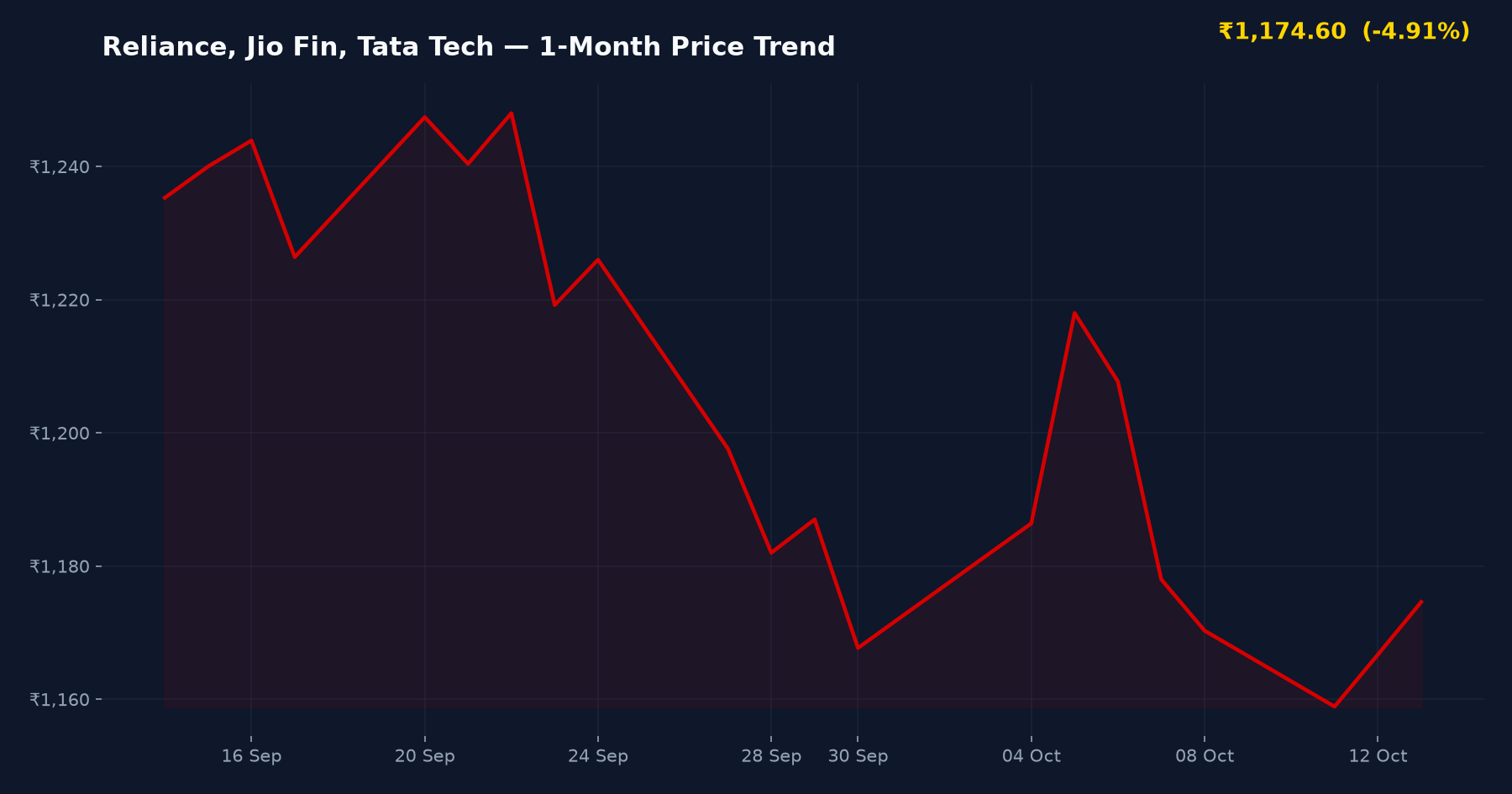
The current market environment suggests continued volatility, with the Nifty 50’s repeated testing of support levels indicating underlying weakness. Investors are advised to monitor global cues, domestic inflation data, and crude oil price movements closely. The upcoming earnings season will be a significant determinant of market direction, providing fresh fundamental data points for valuation adjustments.
| Event / Catalyst Milestone | Exact Calendar Date |
|---|---|
| Economic Times: Ahead of Market report | October 14, 2026 |
| Economic Times: Stocks in News report | October 15, 2026 |
| Livemint: Top stocks in focus report | October 12, 2026 |
| Upcoming Q2 Earnings Announcements | Dates to be confirmed by respective companies |
Balanced Investor Framework: Catalysts vs. Risks
Understanding the potential upside and downside factors is crucial for investors navigating the current market dynamics:
Growth Catalysts
- Strong Q2 Earnings: Positive surprises in revenue, profit, and guidance from these key companies could boost investor confidence and drive stock prices higher.
- Festival Season Demand: Anticipated strong demand during the upcoming festival season could benefit consumer-facing businesses, including Reliance Retail and financial services providers like HDB Financial.
- Digital Transformation Momentum: Continued acceleration in digital adoption and IT spending could benefit IT services firms like Wipro and engineering services providers like Tata Technologies.
- Strategic Initiatives: Any significant new partnerships, product launches, or expansion plans announced by these companies, particularly Jio Financial Services, could act as strong positive triggers.
Key Downside Risks
- Elevated Inflation: Persistent wholesale inflation can erode corporate margins and reduce consumer purchasing power, impacting demand across various sectors.
- Rising Crude Oil Prices: Higher crude prices increase input costs for many industries and can lead to higher fuel prices, potentially dampening economic activity and increasing current account deficit concerns.
- Global Economic Slowdown: A slowdown in major global economies could impact export-oriented sectors, particularly IT services, affecting companies like Wipro and Tata Technologies.
- Nifty 50 Support Breach: A decisive break below the critical Nifty 50 support zone of 22,580-22,620 could signal further market weakness and trigger broader selling pressure.
- Interest Rate Hikes: Continued hawkish stance by central banks to curb inflation could lead to further interest rate hikes, increasing borrowing costs for companies and consumers, impacting financial services firms like HDB Financial.
What to check before investing in these stocks
- Review Q2 FY27 earnings reports for revenue, profit, and management guidance once announced.
- Analyze management commentary on future outlook, sector trends, and capital expenditure plans.
- Evaluate the impact of macroeconomic factors like inflation, interest rates, and crude oil prices on each company’s specific business model.
- Compare current valuation multiples (e.g., P/E, EV/EBITDA) with historical averages and sector peers to assess investment attractiveness.
Frequently Asked Questions
What factors are influencing the Indian stock market today?
The Indian stock market is currently influenced by strong wholesale inflation data and elevated crude oil prices, which are contributing to volatility. The Nifty 50 index is testing key support levels, indicating investor caution and a potential for further market weakness if these macroeconomic pressures persist.
Why are Reliance Industries and Tata Technologies in focus?
Reliance Industries, Jio Financial Services, Tata Technologies, HDB Financial Services, and Wipro are all in focus primarily due to their upcoming quarterly earnings announcements. Investors will be closely watching their Q2 FY27 financial performance, management outlook, and any strategic updates to gauge their future trajectory.
What are the key risks for investors in the current market?
Key risks include persistent inflationary pressures, which could impact corporate margins and consumer spending, and rising crude oil prices, which can affect import bills and economic growth. Additionally, the Nifty 50’s repeated testing of critical support levels suggests a fragile market sentiment that could lead to further corrections.
SEBI Compliance & Statutory Disclaimer
The information and analysis presented on IPO Bulletin (ipobulletin.com) are for informational and educational purposes only and do not constitute financial, investment, or legal advice. Securities market investments are subject to market risks; please read all offer documents (DRHP/RHP) thoroughly before committing capital. Grey Market Premium (GMP) figures are unofficial, unregulated street estimates. Always consult a SEBI-registered investment advisor before making financial decisions.
Sources referenced: The Economic Times, Livemint, BSE India, NSE India.
Reusing this article or its images? Credit IPO Bulletin and link to https://ipobulletin.com/2026/10/reliance-jio-fin-tata-tech-earnings-focus-amid-nifty-volatility.html. Content licence.