

MUMBAI, OCTOBER 27, 2026 — Ahead of Tuesday’s session, State Bank of India (SBI) announced the operational rollout of CyRIS, its specialized Cybersecurity Centre of Excellence designed to strengthen threat intelligence, ethical hacking, and quantum-safe protocols. The strategic technical deployment comes as India’s largest public sector lender fortifies digital banking infrastructure following recent regulatory disclosures submitted to the BSE and NSE.
Key Takeaways at a Glance
- Infrastructure Initiative: SBI unveiled CyRIS to manage proactive cyber defense mechanisms, malware analysis, ethical hacking practices, and artificial intelligence-driven network security.
- Recent Regulatory Context: The launch follows an October 23, 2026 communication regarding an isolated cyber incident involving 3,897 flagged customer records.
- Market & Sector Benchmarks: Institutional desks tracked by Moneycontrol and Livemint continue monitoring SBI’s net interest margin (NIM) stability alongside broader movements across the Indian market indices dashboard.
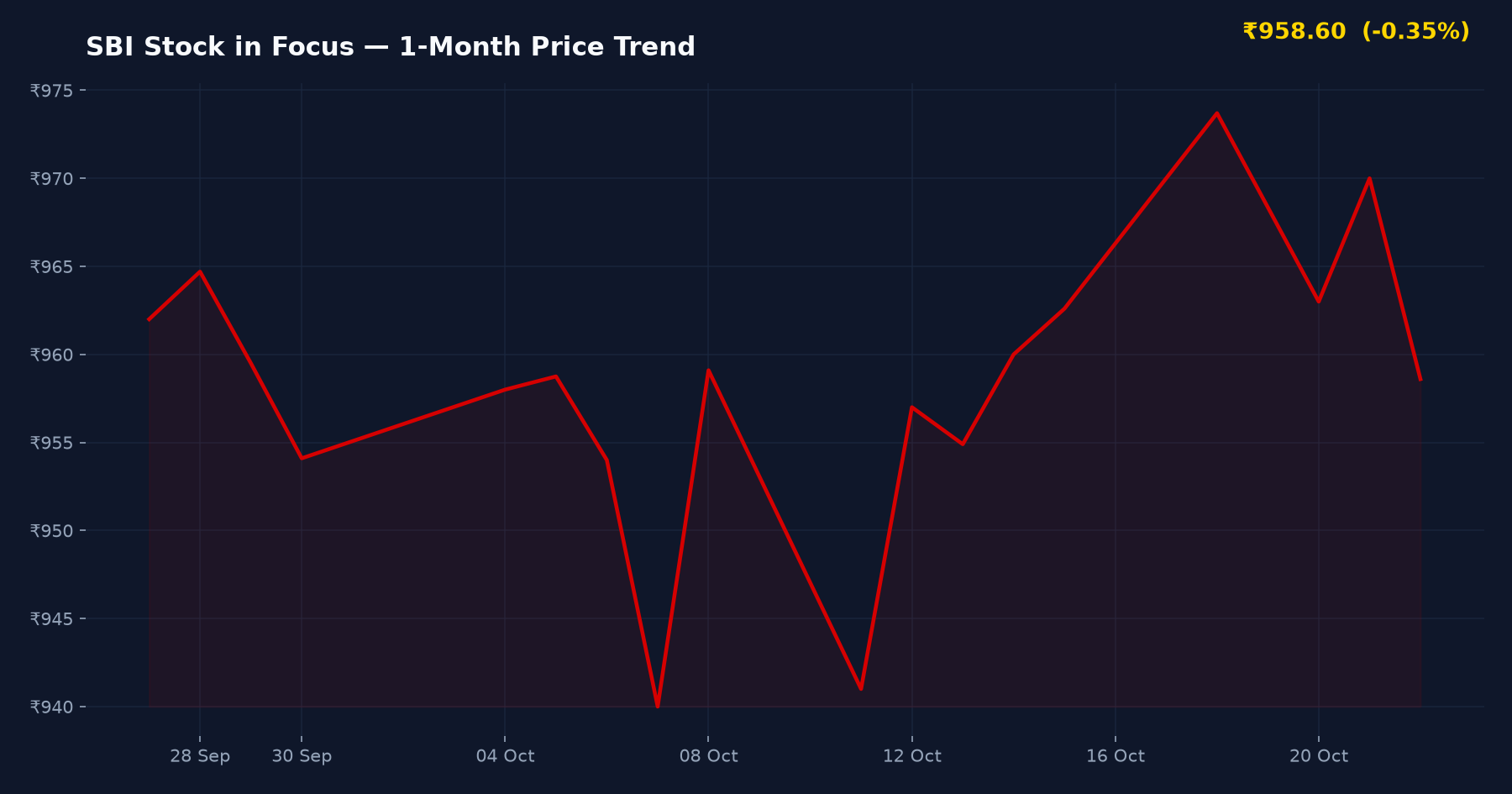
SBI Stock in Focus
NSE: SBIN
▲ +₹2.20 (+0.23%)
Day Range: ₹943.40 – ₹961.55
52W Range: ₹906.00 – ₹1,234.70
● Real-Time Feed
SBI Key Regulatory & Corporate Milestone Timeline
| Event / Corporate Milestone | Confirmed Calendar Date |
|---|---|
| CyRIS Cybersecurity Centre Operational Rollout | October 27, 2026 |
| SBI Subsidiary Earnings Print (SBI Funds Management Q2) | October 26, 2026 |
| Customer Advisory & Data Security Disclosures (3,897 records flagged) | October 23, 2026 |
| Q1 Financial Performance Print & Loan Repricing Assessment | August 10, 2026 |
CyRIS Architecture: Core Capabilities & Threat Defense Mandate
State Bank of India established the CyRIS framework as a dedicated hub to unify cybersecurity operations across retail banking, corporate services, and enterprise digital layers. According to disclosures summarized by the Economic Times, CyRIS integrates specialized operational domains including proactive threat hunting, malware forensics, and ethical penetration testing to detect vulnerabilities before malicious actors exploit them.
The development of advanced artificial intelligence security and post-quantum cryptographic defenses reflects a forward-looking stance against sophisticated social engineering and automated distributed attacks. By integrating algorithmic anomaly detection, the bank seeks to protect transactional ecosystems processing tens of millions of unified payments interface (UPI) and core banking requests every 24 hours.
Regulatory Context: Customer Data Protection & IT Resilience
The introduction of CyRIS coincides with elevated institutional attention to financial sector cyber safety. On Friday, October 23, 2026, Livemint reported that SBI clarified protocols around an incident in which 3,897 records were flagged, prompting the bank to issue customer security notices and reinforce digital safeguards. Financial regulators have increasingly urged scheduled commercial banks to treat cyber defense as a core component of operational capital management rather than an isolated information technology function.
SBI’s technological modernization occurs alongside structural developments across primary market participants. While institutional equity desks consult the live IPO calendar and primary market schedule to gauge large-scale public issues, institutional investors track banking stability through automated risk governance frameworks.
Institutional Brokerage Perspectives & Operational Drivers
Equity research teams evaluating SBI balance fundamental banking growth against modern compliance overhead. Earlier analysis published on Moneycontrol highlighted notes from global brokerage Jefferies, pointing to asset repricing dynamics as a fundamental lever supporting net interest margin (NIM) stability. While credit demand across corporate loan segments has maintained traction, institutional analysts emphasize that operational expenditures in automated surveillance are essential to avert severe regulatory penal actions or transactional disruption.
Market strategists including Sumeet Bagadia highlighted SBI as a focal stock within the Nifty and Bank Nifty configurations on October 10, 2026. However, market desks also evaluate subsidiary earnings performance, such as SBI Funds Management stock’s 7% decline following its Q2 performance print on October 26, 2026, emphasizing the need for comprehensive balance-sheet assessment across all operating verticals tracked on the recent IPO listing performance tracker.
Balanced Framework: Growth Drivers vs. Operational Challenges
- Digital Safeguards & Operational Scale: Deploying an in-house specialized facility like CyRIS protects high-volume digital banking channels (YONO, Internet Banking, RTGS/NEFT) and safeguards core operational trust.
- Institutional Capital Appetite: State Bank of India’s balance-sheet size positions it favorably for ongoing credit growth across retail, SME, and infrastructure financing.
- Cyber Resilience Costs: Continuous investment into AI threat response, quantum-safe protocol upgrades, and regulatory compliance increases operating expenses.
- Subsidiary & Market Sensitivities: Volatility in broader equity markets, margin repricing cycles, and earnings results in banking subsidiaries can introduce short-term sentiment shifts.
What to Check Before Evaluating Public Sector Bank Shares
- Net Interest Margin (NIM) trends across rate repricing cycles reported in quarterly financial filings with BSE and NSE India.
- Provision coverage ratio (PCR) and non-performing asset (Gross and Net NPA) trajectories across retail and corporate books.
- Operational IT expenditure breakdowns to confirm investments into defensive infrastructure and regulatory compliance.
- Performance and valuation contributions of key operating subsidiaries in asset management, life insurance, and credit cards.
Frequently Asked Questions
What is the primary function of SBI’s CyRIS Centre?
CyRIS is State Bank of India’s dedicated Cybersecurity Centre of Excellence established to handle proactive threat intelligence, ethical hacking, malware forensics, and advanced AI-driven defenses. It is engineered to safeguard the bank’s digital transactional networks and prepare systems against next-generation quantum threats.
Why are public sector banks focusing heavily on cybersecurity infrastructure?
Public sector lenders manage critical digital financial infrastructure and handle massive transaction volumes across automated clearing systems and UPI. Regulatory mandates from the Reserve Bank of India (RBI) require comprehensive data integrity protocols and rapid containment frameworks to mitigate operational liabilities and protect consumer accounts.
What fundamental parameters should investors track for State Bank of India?
Investors evaluate SBI by reviewing net interest margins, credit growth across retail and corporate segments, gross and net non-performing asset ratios, return on assets (RoA), and quarterly performance across major subsidiaries filed officially on exchange portals.
SEBI Compliance & Statutory Disclaimer
The information and analysis presented on IPO Bulletin (ipobulletin.com) are for informational and educational purposes only and do not constitute financial, investment, or legal advice. Securities market investments are subject to market risks; please read all offer documents (DRHP/RHP) thoroughly before committing capital. Grey Market Premium (GMP) figures are unofficial, unregulated street estimates. Always consult a SEBI-registered investment advisor before making financial decisions.
Sources referenced: Economic Times, Livemint, Moneycontrol, Business Today, BSE India filings.
Reusing this article or its images? Credit IPO Bulletin and link to https://ipobulletin.com/2026/10/sbi-stock-focus-what-cyris.html. Content licence.